




Hey there! As a supplier of Square Physiotherapy Electrodes, I often get asked about the adhesive strength of these little wonders. So, let's dive right in and explore what makes the adhesive on square physiotherapy electrodes so important and how it all works.
Why Adhesive Strength Matters
First off, why is adhesive strength such a big deal when it comes to square physiotherapy electrodes? Well, think about it. These electrodes are used in various physiotherapy treatments, like Transcutaneous Electrical Nerve Stimulation (TENS). During a TENS treatment, the electrodes need to stay firmly in place on the skin to deliver the electrical impulses effectively. If the adhesive isn't strong enough, the electrodes might shift or fall off, which can disrupt the treatment and reduce its effectiveness.
Imagine you're using TENS Electrode Pad for pain relief. You place the electrodes on your skin, turn on the TENS unit, and settle in for some much - needed relief. But then, after just a few minutes, one of the electrodes starts to peel off. That's not only annoying but also means you're not getting the full benefit of the treatment.
Factors Affecting Adhesive Strength
There are several factors that can affect the adhesive strength of square physiotherapy electrodes.
Skin Type
The type of skin a person has plays a huge role. Oily skin can make it more difficult for the adhesive to stick. The natural oils on the skin create a barrier between the electrode and the skin surface, reducing the adhesive's grip. On the other hand, dry skin might not provide enough moisture for the adhesive to form a good bond. People with sensitive skin also need electrodes with a gentle adhesive that won't cause irritation while still having sufficient strength to stay in place.
Surface Area
The size of the electrode matters too. Square physiotherapy electrodes come in different sizes, and generally, larger electrodes have more surface area for the adhesive to work with. This means they can often adhere better than smaller electrodes. However, it's not just about the size. The distribution of the adhesive on the electrode surface also affects how well it sticks. A well - distributed adhesive will provide a more even and stronger bond.
Environmental Conditions
The environment in which the electrodes are used can have a significant impact on adhesive strength. High humidity can make the adhesive soft and less sticky, while low humidity can cause it to dry out and lose its effectiveness. Temperature also plays a role. Extreme cold or heat can change the properties of the adhesive. For example, in very cold temperatures, the adhesive might become brittle and less able to conform to the skin's surface.
Measuring Adhesive Strength
So, how do we measure the adhesive strength of square physiotherapy electrodes? There are a few standard methods used in the industry.
One common method is the peel test. In a peel test, the electrode is attached to a standard test surface, usually a piece of synthetic skin or a similar material. Then, a machine slowly peels the electrode off at a constant rate, and the force required to peel it off is measured. This force is an indication of the adhesive strength.
Another method is the shear test. In a shear test, a force is applied parallel to the surface of the electrode to try and slide it off. The amount of force needed to cause the electrode to slide is measured, and this also gives an idea of how well the adhesive holds the electrode in place.
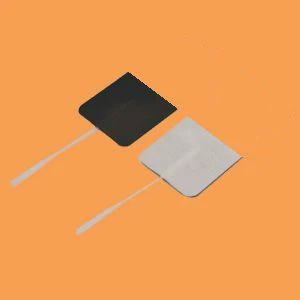
Our Square Physiotherapy Electrodes
As a supplier, we take great care to ensure that our square physiotherapy electrodes have the right adhesive strength. We use high - quality adhesives that are designed to work well on different skin types. Our TENS Electrode Electrode Pad and TENS Unit Pads Electrodes are tested rigorously to meet the highest standards of adhesive strength.
We've also done a lot of research to optimize the adhesive distribution on our electrodes. This ensures that the electrodes adhere evenly and strongly to the skin, no matter where they're placed on the body. And we understand that different environments can affect the adhesive, so our electrodes are designed to perform well in a wide range of conditions.
Tips for Getting the Most Out of Adhesive Strength
If you're using our square physiotherapy electrodes, here are some tips to help you get the best adhesive performance:
- Prepare your skin: Clean the area of skin where you'll be placing the electrodes with mild soap and water. Dry it thoroughly to remove any oils or moisture that could interfere with the adhesive.
- Store properly: Keep the electrodes in a cool, dry place. Avoid exposing them to extreme temperatures or humidity, as this can damage the adhesive.
- Follow the instructions: Make sure you're using the electrodes correctly. Press them firmly onto the skin to ensure good contact and a strong bond.
Conclusion
The adhesive strength of square physiotherapy electrodes is crucial for effective physiotherapy treatments. It's affected by factors like skin type, surface area, and environmental conditions. At our company, we're committed to providing electrodes with the right adhesive strength to ensure a great user experience.
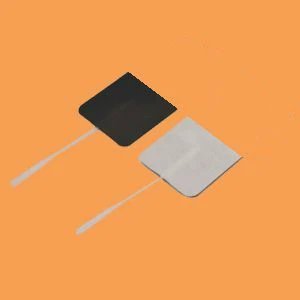
If you're in the market for high - quality square physiotherapy electrodes, whether it's for a clinic, a home use, or for resale, we'd love to talk to you. We offer a wide range of products, including TENS Electrode Pad, TENS Electrode Electrode Pad, and TENS Unit Pads Electrodes. Contact us to start a procurement discussion and see how we can meet your needs.

References
- ASTM International. (20XX). Standard test methods for measuring adhesion by peel.
- Journal of Physiotherapy Science. (20XX). Impact of skin characteristics on electrode adhesion in physiotherapy.