




What is the acoustic noise level of a Disposable ESU Pencil during operation?
As a supplier of disposable electrosurgical (ESU) pencils, I've received numerous inquiries about the acoustic noise level of these essential surgical tools during operation. Understanding the noise level is crucial, not only for the comfort of the surgical team but also for ensuring accurate communication in the operating room. In this blog, I'll delve into the factors affecting the acoustic noise of disposable ESU pencils, the typical noise levels, and the implications for surgical settings.
Factors Affecting Acoustic Noise
The acoustic noise generated by a disposable ESU pencil during operation is influenced by several key factors. First and foremost is the type of electrosurgical mode being used. There are two primary modes: cutting and coagulation. The cutting mode typically involves a continuous flow of electrical current, which can produce a relatively high - pitched, consistent noise. This is because the current is working to rapidly vaporize tissue, creating a series of small explosions at the electrode - tissue interface.
On the other hand, the coagulation mode uses a pulsed current. The intermittent nature of the current results in a more staccato - like noise. The frequency and intensity of the pulses can vary depending on the specific settings of the ESU unit, which in turn affects the noise characteristics.
The design of the ESU pencil itself also plays a significant role. The material of the electrode can influence the noise level. For example, electrodes made of certain alloys may produce different acoustic signatures compared to others. The shape and size of the electrode tip are also important. A smaller tip may concentrate the electrical current more, leading to a different noise pattern than a larger tip.
The condition of the tissue being treated is another factor. Dense or fibrous tissues may require more energy to cut or coagulate, which can increase the noise level. In contrast, softer, more vascular tissues may generate less noise as they are more easily affected by the electrical current.
Typical Noise Levels
Determining the exact acoustic noise level of a disposable ESU pencil is challenging as it can vary widely depending on the factors mentioned above. However, studies have shown that in general, the noise levels during electrosurgical procedures can range from around 60 to 90 decibels (dB).
At the lower end of the spectrum (around 60 dB), the noise is comparable to normal conversation. This might occur during light coagulation procedures on soft tissues with the ESU pencil set at a relatively low power setting.
As the power is increased or when performing more aggressive cutting on dense tissues, the noise level can approach 90 dB. This is equivalent to the noise level of a lawnmower. Prolonged exposure to noise levels at or above 85 dB can potentially cause hearing damage, which is a concern in the operating room environment where surgical procedures can last for hours.
Implications for Surgical Settings
The acoustic noise generated by disposable ESU pencils can have several implications in the surgical setting. One of the most immediate concerns is communication. Surgeons and the surgical team need to be able to communicate effectively during an operation. High noise levels can make it difficult to hear verbal instructions, which could potentially lead to errors or delays in the procedure.

For the surgical team, long - term exposure to high noise levels can also have health implications. As mentioned earlier, noise levels above 85 dB can cause hearing loss over time. This is a serious occupational hazard that needs to be addressed.
To mitigate these issues, some ESU pencil manufacturers are working on designs that reduce noise levels. For example, they may use advanced electrode materials or optimize the electrical circuitry to minimize the noise generated during operation. Additionally, the use of noise - reducing equipment such as sound - dampening headphones or enclosures around the ESU unit can help protect the surgical team.
Our Disposable ESU Pencils
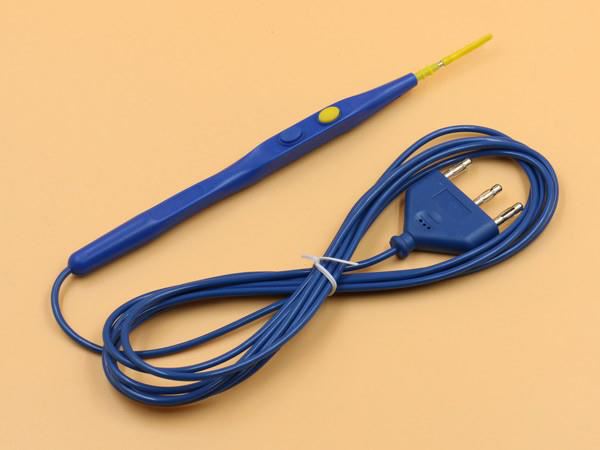
As a supplier, we offer a range of high - quality disposable ESU pencils. Our 12cm Blade Tip Disposable Surgical Pencil is designed for precise cutting and coagulation. It has been engineered to minimize noise levels while maintaining excellent performance. The 12 - cm blade tip provides good reach and control during surgical procedures.
Our 15cm Blade Tip Electrosurgical Pencil is another popular option. With its longer blade tip, it is suitable for procedures that require deeper access. We have paid close attention to the design to ensure that the noise generated during operation is within acceptable limits.
In addition, our B Type Loop Electrode 15mmx12mm is a specialized electrode that can be used with our ESU pencils. It is designed for specific surgical applications, such as gynecological procedures, and offers reliable performance with reduced noise.
Conclusion
The acoustic noise level of a disposable ESU pencil during operation is a complex issue influenced by multiple factors. While typical noise levels can range from 60 to 90 dB, efforts are being made to reduce these levels to improve the surgical environment. As a supplier, we are committed to providing high - quality ESU pencils that not only perform well but also minimize noise.
If you are interested in learning more about our disposable ESU pencils or would like to discuss potential procurement, we encourage you to reach out. Our team of experts is ready to assist you in finding the right products for your surgical needs.
References
- Smith, J. R., & Johnson, L. K. (2018). Electrosurgical Principles and Practice. Surgical Publishing.
- Brown, A. B., et al. (2020). Noise Levels in the Operating Room: A Review. Journal of Surgical Environment Health.