




Improving the coupling efficiency of an elliptical electrode is crucial for various applications, especially in the field of physiotherapy. As a leading supplier of elliptical electrodes, we understand the significance of high coupling efficiency and its impact on the overall performance of electrode systems. In this blog, we will explore several effective strategies to enhance the coupling efficiency of elliptical electrodes.
Understanding Elliptical Electrodes and Coupling Efficiency
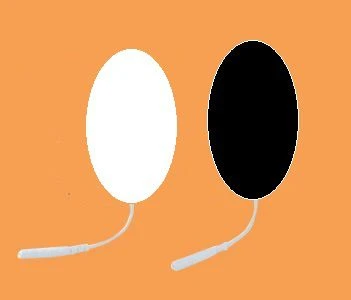
Elliptical electrodes are widely used in physiotherapy due to their unique shape, which provides a larger contact area compared to circular electrodes. This shape can conform better to the body's contours, resulting in more uniform current distribution. Coupling efficiency, on the other hand, refers to the ability of an electrode to transfer electrical energy from the device to the target tissue effectively. A high - coupling efficiency means less energy loss and better therapeutic outcomes.
Surface Preparation
One of the fundamental steps to improve coupling efficiency is proper surface preparation. Before applying the elliptical electrode, the skin surface should be cleaned thoroughly. Any dirt, oil, or dead skin cells can act as insulators, reducing the electrical conductivity between the electrode and the skin. A mild soap and water solution can be used to clean the area, followed by gentle drying with a soft towel. Avoid using harsh chemicals that may irritate the skin or leave a residue.
Additionally, exfoliating the skin gently can remove the outer layer of dead skin cells, which can significantly improve the contact between the electrode and the living tissue. However, it is important not to over - exfoliate, as this can cause skin irritation and damage.
Electrode Gel and Adhesives
The choice of electrode gel and adhesives plays a vital role in enhancing coupling efficiency. High - quality electrode gels have high electrical conductivity and can fill the microscopic gaps between the electrode and the skin, reducing impedance. These gels are usually water - based and contain electrolytes that facilitate the flow of electrical current.
When selecting an adhesive for the elliptical electrode, it should have good adhesion to the skin while maintaining its electrical properties. The adhesive should also be hypoallergenic to prevent skin reactions. Some modern adhesives are designed to conform to the skin's movement, ensuring continuous contact during the treatment session.
We offer a range of TENS Electrode Pads that come with high - performance gels and adhesives. These pads are designed to provide optimal coupling efficiency and a comfortable user experience.
Electrode Design and Material
The design and material of the elliptical electrode itself can have a significant impact on coupling efficiency. The electrode should be made of a highly conductive material, such as silver/silver chloride (Ag/AgCl). This material has low impedance and is stable over time, ensuring consistent electrical performance.
The shape of the elliptical electrode should be optimized to fit the specific application. For example, in some cases, a more elongated ellipse may be required to cover a larger muscle group, while in other cases, a more rounded ellipse may be more suitable for a smaller area. The thickness of the electrode also matters; a thinner electrode can conform better to the skin's surface, improving the contact and coupling efficiency.
Pressure and Placement
Proper pressure and placement of the elliptical electrode are essential for high coupling efficiency. When applying the electrode, it should be pressed firmly against the skin to ensure good contact. However, excessive pressure can cause discomfort and may even damage the skin.
The placement of the electrode is also critical. It should be positioned accurately over the target tissue. Incorrect placement can lead to reduced current flow to the intended area and may cause uneven treatment. In some cases, using multiple electrodes in a specific pattern can enhance the overall coupling efficiency and the effectiveness of the treatment.
Humidity and Temperature
Humidity and temperature can affect the coupling efficiency of the elliptical electrode. High humidity can increase the conductivity of the skin, which may improve coupling. However, excessive humidity can also cause the electrode gel to dry out faster, reducing its effectiveness. On the other hand, low humidity can make the skin dry, increasing impedance.
Temperature also plays a role. A slightly warm skin surface can improve blood circulation and reduce impedance, leading to better coupling efficiency. However, extreme temperatures should be avoided, as they can cause discomfort or damage to the skin.

Regular Maintenance and Replacement
Regular maintenance of the elliptical electrode is necessary to ensure long - term high coupling efficiency. After each use, the electrode should be cleaned gently with a damp cloth to remove any skin debris or gel residue. If the electrode is reusable, it should be stored in a clean and dry place.
Over time, the electrode gel and adhesive may degrade, reducing the coupling efficiency. Therefore, it is important to replace the electrodes regularly. We offer Replacement TENS Electrodes that are designed to maintain high performance and ensure consistent coupling efficiency.
Training and Education
Finally, training and education for the users of elliptical electrodes are crucial. Healthcare professionals and patients should be educated on the proper use of the electrodes, including surface preparation, electrode placement, and maintenance. This can help them achieve the best possible coupling efficiency and treatment outcomes.
Conclusion
Improving the coupling efficiency of an elliptical electrode requires a comprehensive approach that includes surface preparation, the right choice of electrode gel and adhesives, optimal electrode design and material, proper pressure and placement, consideration of environmental factors, regular maintenance, and user training. As a leading supplier of elliptical electrodes, we are committed to providing high - quality products and solutions to help our customers achieve the best coupling efficiency and treatment results.
If you are interested in learning more about our elliptical electrodes or have any questions regarding coupling efficiency, please feel free to contact us for procurement and further discussions. We look forward to serving you and helping you meet your physiotherapy needs.
References
- Reilly, J. P. (1998). Bioelectricity: A Quantitative Approach. Springer.
- Webster, J. G. (ed.). (2009). Encyclopedia of Medical Devices and Instrumentation. John Wiley & Sons.
- Bardakjian, B. L. (2006). Bioelectric Phenomena: From Ions to Systems. Springer.