


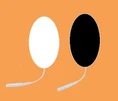

In the realm of modern physiotherapy, square physiotherapy electrodes have emerged as a cornerstone in treating various musculoskeletal and neurological conditions. As a leading supplier of these innovative electrodes, I am often asked about the science behind how these square wonder - tools stimulate the nerves. In this blog, we'll dive deep into the mechanism, applications, and benefits of square physiotherapy electrodes' nerve - stimulating capabilities.
The Basics of Square Physiotherapy Electrodes
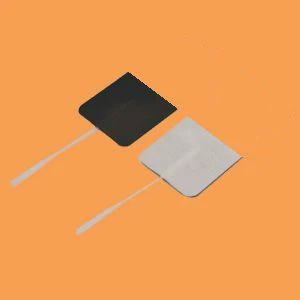
Square physiotherapy electrodes are an essential component of many transcutaneous electrical nerve stimulation (TENS) devices and other electrical therapy machines. Their unique square shape allows for a more uniform distribution of electrical current compared to other electrode shapes. This geometric design can cover a specific area of the body efficiently, making them ideal for targeted nerve stimulation.
How Do They Stimulate Nerves?
Electrical Current Transmission
The primary mode of nerve stimulation by square physiotherapy electrodes is through the transmission of electrical current. When an electrode is placed on the skin, it acts as a conductor, passing a controlled electrical current from the connected device into the body. This current then travels through the tissues and reaches the nerve fibers.
Our electrodes, such as the TENS Unit Pads Electrodes, are designed with high - quality conductive materials. These materials ensure that the electrical current is delivered smoothly and effectively. The current intensity can be adjusted on the associated device, allowing healthcare providers and patients to customize the therapy according to the individual's needs and tolerance.
Nerve Fiber Activation
Nerves in the body can be classified into different types based on their functions and sizes. Square physiotherapy electrodes can stimulate two main types of nerve fibers: large - diameter A - beta fibers and small - diameter C - fibers.
-
A - beta Fibers:
When the electrical current is at a relatively low intensity, it preferentially activates A - beta fibers. These fibers are responsible for transmitting sensations of touch and vibration. By stimulating A - beta fibers, the electrodes can create a phenomenon known as the "gate - control theory." According to this theory, the activation of A - beta fibers can close a "gate" in the spinal cord, blocking the transmission of pain signals from the small - diameter C - fibers to the brain. This is why low - intensity electrical stimulation using square electrodes can be effective in alleviating pain. -
C - Fibers:
At higher intensities, the electrical current can also stimulate C - fibers. C - fibers are involved in the transmission of pain and temperature sensations. In some cases, such as when treating certain types of nerve damage or chronic pain conditions, stimulating C - fibers can lead to the release of endorphins. Endorphins are natural painkillers produced by the body, and their release can help reduce pain perception and promote a sense of well - being.
Modulation of Electrical Signals
Square physiotherapy electrodes can deliver different types of electrical signals, such as continuous, burst, or modulated currents. The choice of signal type depends on the specific therapeutic goal.
-
Continuous Current:
A continuous current provides a steady flow of electrical stimulation. It is often used for muscle relaxation and to maintain a constant level of nerve activation. For example, in cases of muscle spasms, continuous stimulation can help ease the tension in the affected muscles by adding an external electrical signal to override the abnormal muscle - nerve communication. -
Burst Current:
A burst current is delivered in short pulses or "bursts." This type of signal can be more effective in certain pain management scenarios. The intermittent nature of the burst current can prevent nerve adaptation, which is when the nerves become accustomed to a continuous electrical signal and stop responding as effectively. -
Modulated Current:
Modulated currents change in intensity, frequency, or both over time. This type of signal is useful for mimicking the body's natural electrical activity. It can provide a more dynamic and varied stimulation, which is particularly beneficial for long - term nerve stimulation and for avoiding nerve fatigue.
Applications of Square Physiotherapy Electrodes in Nerve Stimulation
Pain Management
One of the most common applications of square physiotherapy electrodes is in pain management. Whether it's chronic back pain, arthritis pain, or post - operative pain, these electrodes can offer non - drug alternatives for pain relief. By stimulating the nerves according to the mechanisms described above, patients can experience a reduction in pain levels without the side effects associated with many pain medications.
Rehabilitation
In rehabilitation settings, square electrodes are used to facilitate nerve and muscle recovery. For example, after a nerve injury, electrical stimulation can help preserve nerve function and promote the regeneration of nerve fibers. In patients with muscle weakness due to neurological conditions or inactivity, nerve stimulation can also trigger muscle contractions, preventing muscle atrophy and improving overall muscle strength.
Benefits of Using Our Square Physiotherapy Electrodes
As a supplier of square physiotherapy electrodes, we take pride in providing high - quality products with several distinct advantages.
High Conductivity
Our electrodes, such as the TENS Electrode Pad and TENS Electrode Electrode Pad, are made from materials with excellent conductivity. This ensures that the electrical current is transmitted efficiently from the device to the body, maximizing the therapeutic effect.
Skin - Friendly Adhesive
We understand the importance of patient comfort during treatment. Our electrodes are equipped with a skin - friendly adhesive that securely attaches the electrodes to the skin without causing irritation. This allows for longer treatment sessions and improves the overall patient experience.
Durability
Our square physiotherapy electrodes are designed to be durable. They can withstand multiple uses without a significant loss of conductivity or adhesive strength. This makes them a cost - effective option for both patients and healthcare providers.
Contact Us for Procurement
If you are a healthcare provider, distributor, or an individual looking to purchase high - quality square physiotherapy electrodes, we invite you to contact us for procurement. We can offer competitive pricing, customized solutions, and excellent customer service. Please reach out to discuss your specific requirements, and let's work together to bring the benefits of advanced nerve - stimulating therapy to more people.

References
- Bhadra, N., & Kilgore, K. L. (2005). Electrical stimulation of excitable tissue: design of efficacious and safe protocols. Journal of Rehabilitation Research and Development, 42(1), 1–18.
- Melzack, R., & Wall, P. D. (1965). Pain mechanisms: a new theory. Science, 150(3699), 971 - 979.
- Popovic, M. R., & Sinkjaer, T. (2000). Electrically assisted movement therapy after central nervous system lesions. The Journal of spinal cord medicine, 23(2), 101 - 112.