




How do square physiotherapy electrodes interact with the body's electrical system?
As a supplier of square physiotherapy electrodes, I've witnessed firsthand the growing interest in how these devices interact with the body's electrical system. In this blog post, I'll delve into the scientific principles behind this interaction, exploring how square physiotherapy electrodes can be used to promote healing and alleviate pain.
The Body's Electrical System
The human body is a complex electrical system. Every cell in our body generates and responds to electrical signals. These signals are crucial for various physiological processes, such as muscle contraction, nerve impulse transmission, and the regulation of organ functions.
Nerve cells, or neurons, are the primary conductors of electrical impulses in the body. They communicate with each other through a process called action potential, where electrical charges are rapidly transmitted along the neuron's axon. This electrical activity is essential for sending messages from the brain to the rest of the body and vice versa.
Muscle cells also rely on electrical signals to contract and relax. When a nerve impulse reaches a muscle, it triggers a series of electrical events that cause the muscle fibers to shorten, resulting in movement.

How Square Physiotherapy Electrodes Work
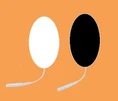
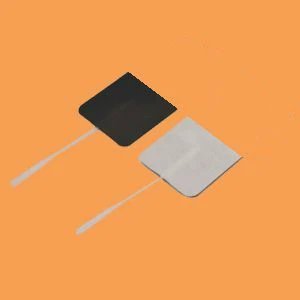
Square physiotherapy electrodes are designed to interact with the body's electrical system by delivering electrical currents or signals to specific areas of the body. These electrodes are typically made of conductive materials, such as carbon or silver, and are attached to the skin using an adhesive gel or pad.
There are several types of electrical stimulation that can be delivered by square physiotherapy electrodes, including:
- Transcutaneous Electrical Nerve Stimulation (TENS): TENS is one of the most common applications of square physiotherapy electrodes. It involves the use of low-frequency electrical currents to stimulate the nerves in the skin. TENS is often used to relieve pain by blocking pain signals from reaching the brain and by promoting the release of endorphins, the body's natural painkillers. TENS Unit Pads Electrodes are specifically designed for this purpose and are widely used in physical therapy clinics and at home.
- Electrical Muscle Stimulation (EMS): EMS uses electrical currents to stimulate muscle contractions. This can be beneficial for strengthening muscles, improving blood circulation, and reducing muscle atrophy. Square physiotherapy electrodes can be used to deliver EMS to specific muscle groups, helping to rehabilitate injured muscles or improve athletic performance.
- Neuromuscular Electrical Stimulation (NMES): NMES is similar to EMS but is often used to target the nerves and muscles involved in movement. It can be used to treat neurological conditions, such as stroke or spinal cord injury, by helping to restore muscle function and improve movement control. TENS Electrode Electrode Pad and TENS Electrode Pad can be used in NMES applications to deliver precise electrical stimulation to the affected nerves and muscles.
The Interaction Process
When square physiotherapy electrodes are applied to the skin, the electrical current or signal they deliver interacts with the body's electrical system in several ways:
- Nerve Stimulation: The electrical current from the electrodes can directly stimulate sensory nerves in the skin. This stimulation can trigger a variety of responses, depending on the frequency and intensity of the current. Low-frequency currents are often used to relieve pain, while higher frequency currents can be used to stimulate muscle contractions or improve blood flow.
- Muscle Contraction: When the electrical current reaches the muscle fibers, it can cause them to contract. This is similar to the natural electrical signals that trigger muscle contractions in the body. By delivering controlled electrical stimulation, square physiotherapy electrodes can help to strengthen muscles, improve muscle tone, and prevent muscle atrophy.
- Modulation of Pain Signals: The electrical stimulation from the electrodes can also interfere with the transmission of pain signals to the brain. This is known as the gate control theory of pain. According to this theory, the electrical stimulation activates the large-diameter nerve fibers, which "close the gate" to the transmission of pain signals from the small-diameter nerve fibers. As a result, the brain receives fewer pain signals, and the perception of pain is reduced.
Factors Affecting the Interaction
Several factors can affect how square physiotherapy electrodes interact with the body's electrical system:
- Electrode Placement: The placement of the electrodes is crucial for ensuring effective interaction with the body's electrical system. The electrodes should be placed over the area of the body that needs treatment, such as a painful muscle or a nerve pathway. Proper electrode placement can help to maximize the therapeutic effects of the electrical stimulation.
- Electrical Parameters: The frequency, intensity, and duration of the electrical current or signal delivered by the electrodes can all affect the interaction with the body's electrical system. Different types of electrical stimulation require different electrical parameters to achieve the desired therapeutic effects. For example, TENS therapy typically uses low frequencies (less than 100 Hz) and moderate intensities, while EMS therapy may use higher frequencies (up to 1000 Hz) and stronger intensities.
- Skin Condition: The condition of the skin can also affect the interaction between the electrodes and the body's electrical system. Dry, oily, or damaged skin can increase the electrical resistance, making it more difficult for the electrical current to pass through. To ensure optimal conductivity, the skin should be clean and dry before applying the electrodes. The adhesive gel or pad on the electrodes can also help to improve the electrical contact between the electrodes and the skin.
Benefits of Square Physiotherapy Electrodes
The interaction between square physiotherapy electrodes and the body's electrical system offers several benefits:
- Pain Relief: One of the primary benefits of using square physiotherapy electrodes is pain relief. TENS therapy, in particular, has been shown to be effective in reducing both acute and chronic pain. By blocking pain signals and promoting the release of endorphins, TENS can provide a non-invasive and drug-free alternative to pain medication.
- Muscle Rehabilitation: Square physiotherapy electrodes can be used to rehabilitate injured muscles and improve muscle function. EMS and NMES can help to strengthen weak muscles, increase muscle mass, and improve muscle endurance. This can be beneficial for athletes recovering from injuries, as well as for individuals with neurological conditions or muscle atrophy.
- Improved Blood Circulation: Electrical stimulation from the electrodes can also improve blood circulation in the treated area. This can help to deliver oxygen and nutrients to the muscles and tissues, promoting healing and reducing inflammation.
- Non-Invasive and Safe: Square physiotherapy electrodes are a non-invasive and relatively safe form of treatment. They can be used at home with proper instruction and are generally well-tolerated by most people. However, it's important to follow the manufacturer's instructions and consult a healthcare professional before using square physiotherapy electrodes, especially if you have any underlying medical conditions.
Contact for采购洽谈
If you're interested in learning more about our square physiotherapy electrodes or are looking to place an order, we welcome you to contact us for further discussions. We are committed to providing high-quality products and excellent customer service. Whether you're a physical therapy clinic, a sports medicine facility, or an individual looking for a reliable pain relief solution, our square physiotherapy electrodes are designed to meet your needs.
References
- Budelmann, B. U., & Schipp, R. (Eds.). (2008). Electroreception and the Electric Sense of Fish. Springer Science & Business Media.
- Loeb, G. E., & Gans, C. (Eds.). (1986). Electrical Control of Movement: Neural Engineering. Wiley.
- Popović, M. R., & Popović, S. (2005). Neuromuscular Electrical Stimulation: A Rehabilitation Engineering Perspective. Springer.