




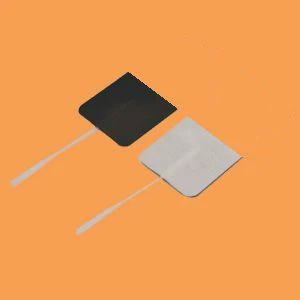
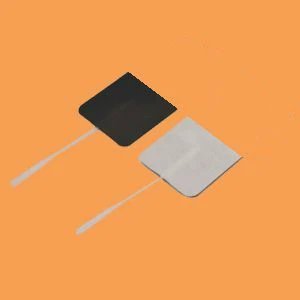
As a supplier of Square Physiotherapy Electrodes, I understand the critical importance of accurately measuring the performance of these electrodes. In the field of physiotherapy, the effectiveness of treatment often depends on the quality and performance of the electrodes used. In this blog, I will share some key methods and considerations for measuring the performance of square physiotherapy electrodes.
Electrical Conductivity
One of the most fundamental aspects of square physiotherapy electrodes is their electrical conductivity. Good electrical conductivity ensures that the electrical signals from the physiotherapy device can be effectively transmitted to the patient's body. To measure the electrical conductivity of square physiotherapy electrodes, we can use a conductivity meter.
First, we need to prepare a sample of the electrode. Cut a small, representative piece of the electrode material. Then, place the sample between two conductive probes of the conductivity meter. Make sure the contact between the sample and the probes is good. The conductivity meter will then measure the electrical conductivity of the sample, usually expressed in siemens per meter (S/m).
A high electrical conductivity indicates that the electrode can efficiently conduct electrical current, which is essential for the proper functioning of the physiotherapy device. Low conductivity may lead to weak electrical signals reaching the patient, reducing the effectiveness of the treatment.
Adhesion Strength
Another important performance parameter is the adhesion strength of the square physiotherapy electrodes. The electrodes need to adhere firmly to the patient's skin during the treatment process to ensure a stable electrical connection. To measure the adhesion strength, we can use a peel test.
Prepare a test sample by attaching the electrode to a standardized test surface, such as a piece of artificial skin or a similar material. Then, use a tensile testing machine to gradually peel the electrode from the surface at a constant speed. The machine will record the force required to peel the electrode, which is the adhesion strength.
The adhesion strength should be sufficient to keep the electrode in place during normal movement of the patient but not so strong that it causes discomfort or skin damage when removed. A proper balance is crucial to ensure a good user experience.
Impedance
Impedance is a measure of the opposition to the flow of electrical current in a circuit. In the context of square physiotherapy electrodes, impedance plays a vital role in determining the quality of the electrical connection between the electrode and the patient's skin. Measuring impedance can help us understand how well the electrode is functioning.
We can use an impedance analyzer to measure the impedance of the square physiotherapy electrodes. Connect the electrode to the impedance analyzer according to the manufacturer's instructions. The analyzer will apply a small electrical signal and measure the impedance of the electrode-skin interface.
Low impedance indicates a good electrical connection, which means that the electrical signals can pass through the electrode and into the patient's body with minimal loss. High impedance may result in signal attenuation and interference, affecting the accuracy and effectiveness of the physiotherapy treatment.
Durability
Durability is also an important factor when measuring the performance of square physiotherapy electrodes. The electrodes should be able to withstand repeated use and normal wear and tear without significant degradation in performance.
To test the durability of the electrodes, we can conduct a cyclic use test. Attach the electrode to a test surface and subject it to a series of electrical pulses and mechanical movements, simulating the normal use conditions. After a certain number of cycles, measure the electrical conductivity, adhesion strength, and impedance again to check if there are any significant changes.
If the performance parameters remain within an acceptable range after the cyclic use test, it indicates that the electrode has good durability and can be used for multiple treatments without significant loss of performance.
Compatibility with Physiotherapy Devices
Square physiotherapy electrodes need to be compatible with different types of physiotherapy devices. Compatibility ensures that the electrodes can work effectively with the specific electrical signals and settings of the device.
To test the compatibility, we can connect the electrodes to various physiotherapy devices and observe the performance. Check if the electrical signals are properly transmitted, if the device functions normally, and if there are any signs of interference or malfunction.
Some physiotherapy devices may have specific requirements for the electrode's electrical properties, such as impedance and conductivity. The electrodes should meet these requirements to ensure seamless integration with the device.
Comfort and Skin Sensitivity
In addition to the technical performance parameters, the comfort and skin sensitivity of the square physiotherapy electrodes are also important considerations. The electrodes should not cause discomfort or allergic reactions to the patient's skin.
We can conduct skin irritation tests on a small group of volunteers. Attach the electrodes to the volunteers' skin for a certain period of time and observe if there are any signs of redness, itching, or other skin reactions.
Using high - quality materials and proper manufacturing processes can help reduce the risk of skin irritation and improve the overall comfort of the electrodes.
Comparison with Market Competitors
As a supplier of square physiotherapy electrodes, it is also important to compare the performance of our products with those of our competitors. This can help us identify our strengths and weaknesses and make improvements.
Collect samples of competing products and conduct the same performance tests as described above. Compare the results of electrical conductivity, adhesion strength, impedance, durability, and other parameters.
By analyzing the comparison results, we can highlight the unique selling points of our square physiotherapy electrodes and make necessary adjustments to our products to stay competitive in the market.
Conclusion
Measuring the performance of square physiotherapy electrodes is a comprehensive process that involves multiple parameters. Electrical conductivity, adhesion strength, impedance, durability, compatibility, comfort, and skin sensitivity are all important factors that need to be considered.
By accurately measuring these performance parameters, we can ensure that our square physiotherapy electrodes meet the high standards required for effective physiotherapy treatment. As a supplier, we are committed to providing high - quality electrodes that offer excellent performance and a good user experience.
If you are interested in our TENS Unit Pads Electrodes, TENS Electrode Electrode Pad, or TENS Electrode Pad, please feel free to contact us for more information and to discuss your procurement needs. We look forward to establishing a long - term partnership with you.
References
- ASTM International. (Year). Standard test methods for various physical and electrical properties relevant to medical electrodes.
- ISO standards related to medical devices and electrodes.
- Research papers on the performance evaluation of physiotherapy electrodes in scientific journals.