




Hey there! I'm a supplier of Circle ECG Electrodes, and I've been getting a bunch of questions lately about how these little gadgets work, especially for patients with skin conditions. So, I thought I'd take a few minutes to break it down for you.
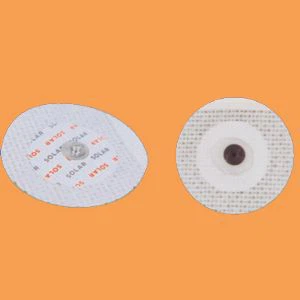
First off, let's talk about what Circle ECG Electrodes are. Simply put, they're these circular electrodes that are used to record the electrical activity of the heart. They're a key part of an electrocardiogram (ECG) test, which doctors use to diagnose all sorts of heart problems.
Now, for patients with skin conditions, using these electrodes can be a bit tricky. Skin conditions like eczema, psoriasis, or even just sensitive skin can make it hard for the electrodes to stick properly and get an accurate reading. But don't worry, we've got some solutions.
How Circle ECG Electrodes Work
Let's start with the basics of how these electrodes work. The human heart generates electrical impulses as it beats. These impulses cause the heart muscles to contract and pump blood throughout the body. Circle ECG Electrodes are designed to detect these electrical signals and transmit them to an ECG machine, which then records and displays the heart's electrical activity as a waveform.
The electrodes are usually made up of a conductive material, like silver or silver chloride, which helps to pick up the electrical signals from the skin. They're also coated with a special gel that helps to improve the electrical contact between the electrode and the skin. This gel is super important because it reduces the resistance between the electrode and the skin, allowing the electrical signals to pass through more easily.
When you place a Circle ECG Electrode on the skin, the gel creates a bridge between the electrode and the skin, allowing the electrical signals to flow from the skin to the electrode and then to the ECG machine. The machine then analyzes these signals and creates a visual representation of the heart's electrical activity, which doctors can use to diagnose heart problems.
Challenges with Skin Conditions
Now, let's talk about the challenges that patients with skin conditions face when using Circle ECG Electrodes. Skin conditions can cause a variety of problems, such as dryness, itching, redness, and flakiness. These issues can make it difficult for the electrodes to stick properly to the skin and can also interfere with the electrical contact between the electrode and the skin.
For example, if the skin is dry, the gel on the electrode may not adhere properly, causing the electrode to fall off or lose contact with the skin. This can result in a poor-quality ECG reading, which can make it difficult for doctors to accurately diagnose heart problems.
Similarly, if the skin is inflamed or irritated, the electrical signals may not be able to pass through the skin as easily, which can also affect the accuracy of the ECG reading. In some cases, the skin condition itself may even generate electrical signals that can interfere with the heart's electrical signals, making it even more difficult to get an accurate reading.
Solutions for Patients with Skin Conditions
So, what can we do to overcome these challenges and ensure that patients with skin conditions get accurate ECG readings? Well, at our company, we've developed a range of Circle ECG Electrodes that are specifically designed to address these issues.
One of the key features of our electrodes is the use of a hypoallergenic gel. This gel is formulated to be gentle on sensitive skin and is less likely to cause irritation or allergic reactions. It also has excellent adhesion properties, which helps to ensure that the electrodes stay in place even on dry or flaky skin.
Another solution is to use electrodes with a flexible design. Our Circle ECG Electrodes are made with a flexible material that can conform to the contours of the skin, even in areas where the skin is uneven or has a lot of folds. This helps to improve the electrical contact between the electrode and the skin and reduces the risk of the electrode losing contact or falling off.
We also offer a range of Multi-use ECG Electrodes Pieces that can be reused multiple times. These electrodes are designed to be easy to clean and maintain, which makes them a cost-effective option for patients who need to have multiple ECG tests.
In addition, we have Self Adhesive ECG Electrodes Pieces and Self Adhesive ECG Electrodes that are designed to be easy to apply and remove. The self-adhesive backing ensures that the electrodes stay in place during the ECG test, and the gentle adhesive is less likely to cause skin irritation when the electrodes are removed.
Tips for Using Circle ECG Electrodes on Patients with Skin Conditions
Here are some tips for using Circle ECG Electrodes on patients with skin conditions:
- Prepare the skin: Before applying the electrodes, gently clean the skin with a mild soap and water to remove any dirt, oil, or sweat. Pat the skin dry with a soft towel. Avoid using alcohol or abrasive cleaners, as these can irritate the skin.
- Choose the right electrode: Make sure to choose an electrode that is suitable for the patient's skin condition. Our hypoallergenic and flexible electrodes are a great option for patients with sensitive or dry skin.
- Apply the electrode carefully: Place the electrode on the skin gently, making sure that it is in full contact with the skin. Press down firmly on the edges of the electrode to ensure good adhesion.
- Check the electrode during the test: Periodically check the electrodes during the ECG test to make sure that they are still in place and that there is no sign of skin irritation. If the electrodes start to come loose or if the patient complains of skin discomfort, reapply the electrodes or choose a different type of electrode.
- Remove the electrode gently: When the ECG test is finished, gently remove the electrodes from the skin. If there is any residual gel on the skin, you can clean it off with a mild soap and water.
Conclusion
Circle ECG Electrodes are an essential tool for diagnosing heart problems, but they can present some challenges for patients with skin conditions. However, with the right electrode design, proper skin preparation, and careful application, it is possible to get accurate ECG readings even on patients with sensitive or damaged skin.
As a supplier of Circle ECG Electrodes, we're committed to providing high-quality products that are safe and effective for all patients, including those with skin conditions. If you're interested in learning more about our products or have any questions about using Circle ECG Electrodes on patients with skin conditions, please don't hesitate to contact us. We'd be happy to discuss your needs and help you find the right solution for your patients.
Let's work together to ensure that every patient gets the best possible care. Whether you're a healthcare provider looking to purchase Circle ECG Electrodes or a distributor interested in partnering with us, we're here to support you. Reach out to us to start a conversation about your procurement needs and let's find the perfect fit for your organization.

References
- Goldberger, A. L., Goldberger, E., & Shvilkin, A. (2006). Clinical Electrocardiography: A Simplified Approach. Mosby Elsevier.
- Grauer, K. (2016). ECG Analysis: A Self-Teaching Program. Jones & Bartlett Learning.