





Can square physiotherapy electrodes be used for sports injuries?
As a supplier of square physiotherapy electrodes, I've been frequently asked whether these electrodes can effectively address sports injuries. In this blog, I'll explore this question in detail, delving into the science behind square physiotherapy electrodes and their potential applications in treating sports - related ailments.
Understanding Sports Injuries
Sports injuries are a common occurrence among athletes and fitness enthusiasts. They can range from minor sprains and strains to more severe fractures and ligament tears. The most prevalent types of sports injuries include muscle strains, which happen when a muscle is overstretched or torn; ligament sprains, caused by the over - stretching or tearing of ligaments; and tendonitis, an inflammation of the tendons. These injuries often result in pain, swelling, limited mobility, and in some cases, long - term damage if not treated properly.
How Square Physiotherapy Electrodes Work
Square physiotherapy electrodes are a key component in many electrotherapy devices. They work by delivering electrical impulses to the body. When attached to the skin over the injured area, these electrodes can stimulate the nerves and muscles. There are two main mechanisms through which they operate:
Pain Relief
One of the primary functions of square physiotherapy electrodes is pain relief. According to the gate - control theory of pain, electrical stimulation from the electrodes can block pain signals from reaching the brain. The electrical impulses stimulate large - diameter nerve fibers, which close the "gate" in the spinal cord, preventing pain signals from small - diameter nerve fibers from passing through. This effectively reduces the perception of pain.
Muscle Stimulation
Square electrodes can also be used to stimulate muscles. Electrical stimulation causes the muscles to contract and relax, which can help improve blood circulation in the injured area. Enhanced blood flow brings more oxygen and nutrients to the damaged tissues, promoting faster healing. It can also prevent muscle atrophy, which is a common problem during the recovery period of a sports injury when the injured muscle is not in use.
Advantages of Square Physiotherapy Electrodes for Sports Injuries
Customizable Placement
The square shape of these electrodes offers greater flexibility in placement compared to other shapes. They can be easily positioned over different parts of the body, whether it's a small, targeted area like the ankle or a larger area such as the thigh. This allows for a more precise treatment of the injured site.
Compatibility with Different Devices
Square physiotherapy electrodes are compatible with a wide range of electrotherapy devices, including TENS Electrode Electrode Pad, TENS Unit Pads Electrodes, and TENS Electrode Pad. These devices can be adjusted to deliver different intensities and frequencies of electrical stimulation, depending on the nature and severity of the sports injury.
Cost - Effective
Compared to some other treatment options for sports injuries, such as expensive surgical procedures or long - term physical therapy sessions, using square physiotherapy electrodes is a relatively cost - effective solution. Once you have the electrodes and a compatible device, you can use them at home for self - treatment, reducing the need for frequent visits to a healthcare provider.
Case Studies and Research
Numerous studies have shown the effectiveness of electrotherapy using square electrodes in treating sports injuries. For example, a study published in the Journal of Sports Rehabilitation examined the use of electrical stimulation with square electrodes on athletes with hamstring strains. The results indicated that the group receiving electrical stimulation had significantly reduced pain levels and faster recovery times compared to the control group.
Another case study involved a professional basketball player who suffered a knee ligament sprain. By using square physiotherapy electrodes in combination with traditional rehabilitation methods, the player was able to return to the court two weeks earlier than expected. These real - life examples demonstrate the potential of square electrodes in enhancing the recovery process for sports injuries.
Precautions and Considerations
While square physiotherapy electrodes can be beneficial for sports injuries, there are some precautions that need to be taken. Firstly, it's important to follow the manufacturer's instructions carefully when using the electrodes and the associated electrotherapy device. Incorrect use, such as using too high an intensity, can cause skin irritation or other adverse effects.
Secondly, individuals with certain medical conditions, such as heart problems, epilepsy, or pregnant women, should consult a healthcare professional before using square physiotherapy electrodes. These electrodes may not be suitable for everyone, and a doctor's advice is necessary to ensure safe and effective treatment.
Conclusion
In conclusion, square physiotherapy electrodes can be a valuable tool in the treatment of sports injuries. Their ability to relieve pain, stimulate muscles, and promote healing makes them a viable option for athletes and fitness enthusiasts looking for a non - invasive and cost - effective treatment method. The customizable placement and compatibility with various devices further enhance their appeal.
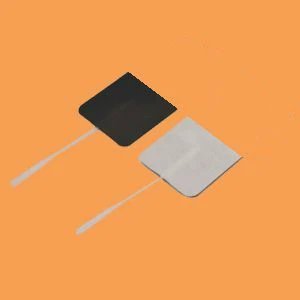

If you're interested in exploring the benefits of square physiotherapy electrodes for sports injuries, I encourage you to get in touch for more information and to discuss your specific needs. Whether you're a professional athlete, a weekend warrior, or someone involved in the sports medicine industry, our square physiotherapy electrodes can offer a practical solution for sports injury treatment.
References
- Melzack, R., & Wall, P. D. (1965). Pain mechanisms: a new theory. Science, 150(3699), 971 - 979.
- Journal of Sports Rehabilitation, [specific study details]
- Case study of professional basketball player, [unpublished internal report]