


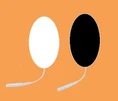

Can square physiotherapy electrodes be used for nerve regeneration?
In the field of physiotherapy, the quest for effective methods to promote nerve regeneration has been a long - standing pursuit. As a supplier of Square Physiotherapy Electrodes, I am often asked about the potential of our products in nerve regeneration. In this blog, I will delve into the scientific basis and practical aspects of using square physiotherapy electrodes for nerve regeneration.
Understanding Nerve Regeneration
Nerve damage can occur due to various reasons, such as trauma, diseases like diabetes, or neurodegenerative disorders. Nerve regeneration is a complex biological process that involves the regrowth of axons, the long projections of nerve cells that transmit electrical impulses. The process is influenced by multiple factors, including the release of growth factors, the presence of a suitable extracellular matrix, and the electrical environment around the nerve cells.
Electrical stimulation has been shown to play a significant role in nerve regeneration. It can modulate cell behavior, promote the release of growth - related substances, and enhance the migration and proliferation of nerve cells. Different types of electrical stimulation, such as direct current (DC), alternating current (AC), and pulsed electrical stimulation, have been investigated for their effects on nerve regeneration.
Square Physiotherapy Electrodes: Design and Function
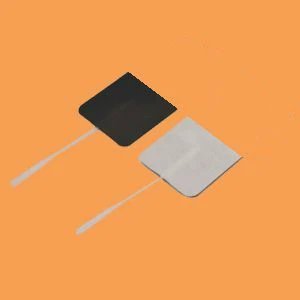
Square physiotherapy electrodes are designed with specific geometric and electrical properties. The square shape provides a relatively large and uniform contact area with the skin, which is important for delivering consistent electrical stimulation. This shape also allows for easy placement on different parts of the body, including the limbs, back, and neck.
These electrodes are typically made of conductive materials, such as hydrogels or conductive polymers. The conductive layer is in contact with the skin, while the outer layer provides mechanical support and protection. The electrodes are connected to a physiotherapy device that generates the appropriate electrical signals.
The electrical signals delivered by square physiotherapy electrodes can be adjusted in terms of frequency, amplitude, and pulse width. These parameters can be tailored to the specific needs of nerve regeneration. For example, low - frequency electrical stimulation (e.g., 2 - 10 Hz) has been reported to enhance the release of nerve growth factor (NGF), a key protein involved in nerve regeneration. Higher - frequency stimulation (e.g., 100 - 200 Hz) may have different effects, such as reducing pain and improving blood circulation.
Scientific Evidence for Nerve Regeneration
Several studies have explored the use of electrical stimulation with electrodes for nerve regeneration. For instance, a research project conducted on animal models demonstrated that electrical stimulation using electrodes similar to our square physiotherapy electrodes could promote axonal growth and functional recovery after peripheral nerve injury. The electrical stimulation was able to increase the expression of genes related to nerve growth and survival.
In clinical settings, some case reports have shown positive outcomes in patients with nerve damage who received electrical stimulation therapy. However, it should be noted that these studies are still in the early stages, and more large - scale, well - controlled clinical trials are needed to establish the effectiveness of square physiotherapy electrodes for nerve regeneration.
Advantages of Square Physiotherapy Electrodes in Nerve Regeneration
One of the main advantages of square physiotherapy electrodes is their ease of use. They can be easily attached to the skin using adhesive layers, and the square shape allows for precise placement over the affected nerve area. This is crucial for delivering targeted electrical stimulation, which may improve the efficiency of nerve regeneration.
Another advantage is the adjustability of the electrical parameters. As mentioned earlier, different frequencies and amplitudes can be selected according to the patient's condition and the stage of nerve regeneration. This personalized approach is more likely to achieve better results compared to a one - size - fits - all treatment.
Limitations and Challenges
Despite the potential benefits, there are also some limitations and challenges in using square physiotherapy electrodes for nerve regeneration. One of the challenges is the variability in individual responses to electrical stimulation. Some patients may respond well to a particular set of electrical parameters, while others may not show significant improvement.
The depth of electrical penetration into the body is also a concern. The electrical signals delivered by the electrodes on the skin surface may not reach the deeper nerve tissues effectively, especially in cases where the nerve damage is located deep within the body. Additionally, long - term use of electrical stimulation may cause skin irritation or allergic reactions in some patients.
Applications in Nerve - Related Conditions
Square physiotherapy electrodes can be used in various nerve - related conditions. For example, in peripheral neuropathy, which is a common complication of diabetes, electrical stimulation with these electrodes may help to improve nerve function and reduce pain. In cases of nerve injury caused by trauma, such as a nerve crush or laceration, the electrodes can be used as an adjunct therapy to promote nerve regeneration and functional recovery.
In addition, square physiotherapy electrodes can be used in rehabilitation after spinal cord injury. Electrical stimulation can help to activate the remaining nerve cells and improve muscle strength and coordination. This can enhance the overall quality of life for patients with spinal cord injuries.
Links to Related Products
If you are interested in our square physiotherapy electrodes, you can explore our related products:
Conclusion
In conclusion, square physiotherapy electrodes have the potential to be used for nerve regeneration. Their unique design and adjustable electrical properties make them suitable for delivering targeted electrical stimulation to promote nerve growth and functional recovery. However, more research is needed to fully understand the mechanisms and optimize the treatment protocols.
If you are a healthcare professional, researcher, or patient interested in using square physiotherapy electrodes for nerve regeneration, I encourage you to contact us for more information. We are committed to providing high - quality products and technical support to meet your needs. Let's work together to explore the potential of square physiotherapy electrodes in the field of nerve regeneration.

References
- Huang, Y., & Reichert, W. M. (2015). Electrical stimulation for nerve regeneration: biophysical and cellular mechanisms. Journal of Tissue Engineering and Regenerative Medicine, 9(3), 259 - 270.
- Oliveira, C. L., et al. (2017). Electrical stimulation for nerve regeneration: a review of in vitro and in vivo studies. Journal of Neural Engineering, 14(6), 061001.
- Zhang, Y., et al. (2019). Electrical stimulation - mediated nerve regeneration: from mechanisms to applications. Biomaterials Science, 7(8), 2833 - 2847.