


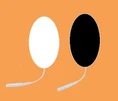

Knee pain is a common ailment that affects people of all ages, from athletes dealing with sports - related injuries to the elderly suffering from degenerative joint conditions. Physiotherapy has long been recognized as an effective way to manage and alleviate knee pain. Among the various tools used in physiotherapy, electrodes play a significant role. In this blog, as a supplier of Round Physiotherapy Electrodes, I will explore whether round physiotherapy electrodes can be used for knee pain.
Understanding Knee Pain and Physiotherapy
Knee pain can stem from multiple sources. Osteoarthritis, the most common form of arthritis, causes the cartilage in the knee joint to wear down over time, leading to pain, stiffness, and reduced mobility. Ligament injuries, such as an anterior cruciate ligament (ACL) tear or a medial collateral ligament (MCL) sprain, are common in sports and can result in acute pain and instability. Tendonitis, which is the inflammation of the tendons around the knee, can also cause significant discomfort.
Physiotherapy aims to address knee pain through a combination of exercises, manual therapy, and the use of various modalities. Electrical stimulation is one such modality that has gained popularity in recent years. It involves the application of electrical currents to the body to stimulate nerves, muscles, and tissues, promoting pain relief, muscle relaxation, and tissue repair.
The Advantages of Round Physiotherapy Electrodes
Round physiotherapy electrodes offer several advantages when it comes to treating knee pain. First and foremost, their circular shape allows for a more even distribution of electrical current. Unlike rectangular or square electrodes, which may have sharp corners that can cause uneven current density, round electrodes ensure that the electrical stimulation is spread uniformly across the targeted area. This is particularly important for the knee, as it is a complex joint with a curved surface.
Another advantage is the flexibility of placement. The round shape makes it easier to position the electrodes around the knee joint, regardless of the patient's body type or the specific area of pain. Whether the pain is located on the front, side, or back of the knee, round electrodes can be adjusted to fit the contours of the joint, providing more precise and effective treatment.
Round electrodes are also generally more comfortable for the patient. The smooth edges reduce the risk of skin irritation and pressure points, which can be a concern when using electrodes for extended periods. This increased comfort can improve patient compliance, as they are more likely to adhere to the treatment protocol if they do not experience discomfort during the sessions.
How Round Physiotherapy Electrodes Work for Knee Pain
When round physiotherapy electrodes are applied to the skin around the knee, they deliver electrical impulses that can have several beneficial effects. One of the primary mechanisms of action is pain gate control. According to the gate control theory of pain, the electrical stimulation from the electrodes activates large - diameter nerve fibers, which can "close the gate" to pain signals transmitted by small - diameter nerve fibers. This reduces the perception of pain in the brain.
In addition to pain gate control, electrical stimulation can also stimulate the production of endorphins, which are the body's natural painkillers. Endorphins bind to opioid receptors in the brain and spinal cord, providing a natural analgesic effect. This can help to alleviate both acute and chronic knee pain.
Round electrodes can also be used to strengthen the muscles around the knee. By delivering electrical impulses to the muscles, they can cause muscle contractions, similar to the contractions that occur during voluntary exercise. This can help to improve muscle strength, endurance, and stability, which are essential for supporting the knee joint and reducing pain.
Types of Round Physiotherapy Electrodes for Knee Pain
There are several types of round physiotherapy electrodes available that can be used for knee pain.
- Electrode Pads: These are the most common type of electrodes. They are typically made of a conductive material, such as carbon or silver, and are attached to the skin using an adhesive. Electrode pads come in different sizes, allowing for customization based on the size of the knee and the specific treatment area.
- Body Massager Physiotherapy Electrode: These electrodes are designed to provide a massage - like effect in addition to electrical stimulation. They often have a textured surface that can help to increase blood circulation and promote relaxation in the muscles around the knee.
- TENS Unit Electrode Pad Wire: Transcutaneous Electrical Nerve Stimulation (TENS) units are commonly used in physiotherapy to relieve pain. The electrode pad wires are used to connect the TENS unit to the round electrodes. They are available in different lengths and configurations, ensuring compatibility with various TENS units and treatment setups.
Clinical Evidence and Research
Numerous studies have investigated the effectiveness of electrical stimulation using electrodes for knee pain. A meta - analysis of several randomized controlled trials found that electrical stimulation was significantly more effective than placebo in reducing pain and improving function in patients with knee osteoarthritis. While these studies did not specifically focus on round electrodes, the principles of electrical stimulation apply equally to round electrodes, given their ability to deliver electrical current to the targeted area.
In a clinical setting, many physiotherapists have reported positive outcomes when using round electrodes for knee pain. Patients often report reduced pain levels, improved range of motion, and increased muscle strength after a series of treatment sessions. However, it is important to note that the effectiveness of treatment can vary depending on the individual patient, the underlying cause of the knee pain, and the appropriate use of the electrodes.
Considerations and Precautions
While round physiotherapy electrodes can be an effective tool for treating knee pain, there are some considerations and precautions to keep in mind. First, it is essential to ensure that the electrodes are used correctly. This includes proper placement on the skin, correct adjustment of the electrical parameters (such as intensity, frequency, and pulse width), and adherence to the recommended treatment duration.
Patients with certain medical conditions, such as pacemakers, epilepsy, or skin sensitivities, may not be suitable candidates for electrical stimulation. It is important to consult a qualified healthcare professional before using round electrodes for knee pain, especially if there are any underlying health concerns.
Conclusion and Call to Action
In conclusion, round physiotherapy electrodes can be a valuable addition to the treatment of knee pain. Their unique shape offers advantages in terms of current distribution, placement flexibility, and patient comfort. When used correctly, they can help to alleviate pain, improve muscle strength, and promote tissue repair in the knee joint.


If you are a healthcare provider, physiotherapist, or someone interested in using round physiotherapy electrodes for knee pain management, I invite you to contact us to discuss your specific needs. We are a reliable supplier of high - quality round physiotherapy electrodes and can provide you with the products and support you need to deliver effective treatment. Whether you are looking for Electrode Pads, Body Massager Physiotherapy Electrode, or TENS Unit Electrode Pad Wire, we have the solutions for you.
References
- Cochrane, R., & Sluka, K. A. (2013). Electrical stimulation for the treatment of pain in knee osteoarthritis: a systematic review and meta - analysis. Arthritis Care & Research, 65(2), 264 - 274.
- Melzack, R., & Wall, P. D. (1965). Pain mechanisms: a new theory. Science, 150(3699), 971 - 979.
- Nussbaum, E. N., & Hsu, R. W. (2008). Transcutaneous electrical nerve stimulation (TENS) for chronic pain. American Family Physician, 77(10), 1453 - 1460.