




As a dedicated supplier of elliptical electrodes, I've spent a significant amount of time delving into various aspects of these products. One question that frequently arises in discussions with clients, environmentalists, and industry peers is: Can elliptical electrodes be recycled? This blog post aims to explore this question in detail, drawing on scientific research, industry practices, and our own experiences as a supplier.
Understanding Elliptical Electrodes
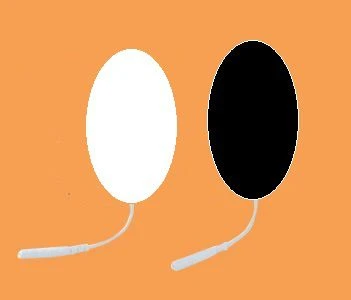
Before we can determine whether elliptical electrodes can be recycled, it's important to understand what they are and what they're made of. Elliptical electrodes are commonly used in Transcutaneous Electrical Nerve Stimulation (TENS) therapy, a method that uses low-voltage electrical currents to relieve pain. They come in various sizes and shapes, with the elliptical design being particularly popular due to its ability to conform to different body parts.
These electrodes typically consist of a conductive layer, an adhesive layer, and a backing layer. The conductive layer is usually made of materials such as carbon, silver, or silver chloride, which are excellent conductors of electricity. The adhesive layer is responsible for keeping the electrode attached to the skin, and it's often made of medical-grade adhesives. The backing layer provides support and protection for the other layers and can be made of materials like polyester or polypropylene.
The Recycling Potential of Elliptical Electrodes
When it comes to recycling, the key factor is the materials used in the electrodes. Let's take a closer look at each component and its recycling potential:
Conductive Layer
The conductive materials in elliptical electrodes, such as carbon and silver, have significant recycling value. Carbon is a widely used element in various industries, and recycling it can help conserve natural resources and reduce energy consumption. Silver, on the other hand, is a precious metal with high economic value. Recycling silver from electrodes can not only recover this valuable resource but also reduce the environmental impact associated with silver mining.
However, the recycling process for these materials is not always straightforward. The conductive layer is often integrated with other components in the electrode, making it difficult to separate the valuable materials. Additionally, the small size of the electrodes and the relatively low concentration of these materials can make the recycling process economically challenging.
Adhesive Layer
The adhesive layer in elliptical electrodes is typically made of medical-grade adhesives, which are designed to be safe for use on the skin. These adhesives are often formulated to be resistant to degradation and have specific properties that make them suitable for medical applications. Unfortunately, these same properties also make them difficult to recycle.
Most medical adhesives are not biodegradable and cannot be easily separated from the other components of the electrode. As a result, they often end up in landfills, where they can persist for long periods of time. Some research is being conducted on developing more environmentally friendly adhesives that can be recycled or biodegraded, but these technologies are still in the early stages of development.
Backing Layer
The backing layer of elliptical electrodes is usually made of polymers such as polyester or polypropylene. These materials are widely used in the plastics industry and have a relatively high recycling potential. Polyester and polypropylene can be melted down and reused to make new products, reducing the demand for virgin plastics and conserving resources.
However, like the conductive layer, the backing layer is often integrated with other components in the electrode, making it difficult to separate and recycle. Additionally, the small size of the electrodes and the presence of other contaminants can make the recycling process more challenging.
Current Recycling Practices in the Industry
Despite the challenges, there are some efforts underway to recycle elliptical electrodes and other medical electrodes. Some companies are developing specialized recycling processes that can separate the different components of the electrodes and recover the valuable materials. These processes often involve a combination of mechanical, chemical, and thermal treatments to break down the electrodes and extract the recyclable materials.
However, these recycling processes are still relatively new and not widely available. Many electrode manufacturers and suppliers do not have established recycling programs in place, and most electrodes end up in landfills or incinerators. This is due in part to the lack of awareness about the recycling potential of these products, as well as the economic and technical challenges associated with recycling them.

The Importance of Recycling Elliptical Electrodes
Recycling elliptical electrodes is not only important for environmental reasons but also for economic and social reasons. By recycling these products, we can conserve natural resources, reduce energy consumption, and minimize the environmental impact associated with their production and disposal. Additionally, recycling can create new economic opportunities in the recycling industry and help to reduce the demand for virgin materials.
From a social perspective, recycling elliptical electrodes can also help to improve public health. Many electrodes are used in medical applications, and improper disposal of these products can pose a risk to human health and the environment. By recycling electrodes, we can ensure that these products are disposed of safely and responsibly, reducing the risk of contamination and pollution.
How We're Addressing the Recycling Challenge
As a supplier of elliptical electrodes, we're committed to addressing the recycling challenge and finding sustainable solutions for our products. We're actively researching and developing new recycling technologies and processes that can improve the recycling rate of our electrodes. We're also working with our partners and customers to raise awareness about the importance of recycling and to encourage the adoption of more sustainable practices.
In addition to our research and development efforts, we're also exploring the possibility of implementing a take-back program for our electrodes. This program would allow our customers to return their used electrodes to us for recycling, ensuring that these products are disposed of properly and that the valuable materials are recovered.
Encouraging Recycling Among Customers
One of the biggest challenges in recycling elliptical electrodes is getting customers to participate in the recycling process. Many customers are not aware that these products can be recycled, and they may not know how to properly dispose of them. To address this issue, we're taking several steps to encourage recycling among our customers:
- Education and Awareness: We're providing our customers with information about the recycling potential of our electrodes and how they can properly dispose of them. This includes including recycling instructions on our product packaging and website, as well as providing educational materials and resources to our customers.
- Incentives: We're considering offering incentives to our customers who participate in our recycling program, such as discounts on future purchases or rewards points. These incentives can help to encourage customers to recycle their electrodes and make it more attractive for them to do so.
- Partnerships: We're partnering with recycling companies and organizations to develop and implement recycling programs for our electrodes. These partnerships can help to ensure that our electrodes are recycled properly and that the valuable materials are recovered.
Conclusion
In conclusion, the question of whether elliptical electrodes can be recycled is a complex one. While the materials used in these electrodes have significant recycling potential, the recycling process is often challenging due to the integration of different components and the small size of the electrodes. However, with the right technologies, processes, and partnerships, it is possible to recycle elliptical electrodes and reduce their environmental impact.
As a supplier of elliptical electrodes, we're committed to finding sustainable solutions for our products and to working with our partners and customers to address the recycling challenge. We believe that by working together, we can make a positive impact on the environment and create a more sustainable future for our industry.
If you're interested in learning more about our elliptical electrodes or our recycling initiatives, please don't hesitate to [contact us]. We'd be happy to discuss your needs and answer any questions you may have.
References
- [List of relevant scientific papers, industry reports, and other sources used in the blog post]