




In the realm of physiotherapy, square physiotherapy electrodes play a crucial role in various treatment modalities. As a supplier of Square Physiotherapy Electrodes, I often encounter questions from customers regarding the regulatory aspects of these products. This blog aims to delve into the topic of whether square physiotherapy electrodes are regulated by any authorities, providing a comprehensive overview for those interested in this field.
The Importance of Square Physiotherapy Electrodes
Square physiotherapy electrodes are essential components in many physiotherapy devices, such as Transcutaneous Electrical Nerve Stimulation (TENS) units. These electrodes are designed to deliver electrical impulses to the body, which can help alleviate pain, improve blood circulation, and promote muscle relaxation. They are commonly used in hospitals, clinics, and home settings for a variety of conditions, including back pain, arthritis, and sports injuries.
The effectiveness of square physiotherapy electrodes depends on their quality and design. High-quality electrodes ensure a stable and consistent electrical current, which is essential for achieving optimal treatment results. Additionally, the shape and size of the electrodes can affect their performance, as they need to be properly placed on the skin to deliver the electrical impulses to the targeted area.
Regulatory Bodies and Their Roles
In the medical device industry, regulatory bodies play a crucial role in ensuring the safety and effectiveness of products. These bodies set standards and guidelines for the design, manufacturing, and marketing of medical devices, including square physiotherapy electrodes. Here are some of the key regulatory bodies around the world:
Food and Drug Administration (FDA) - United States
The FDA is one of the most well-known regulatory bodies in the world. It is responsible for protecting public health by ensuring the safety, efficacy, and security of human and veterinary drugs, biological products, medical devices, our nation's food supply, cosmetics, and products that emit radiation. In the case of square physiotherapy electrodes, the FDA classifies them as medical devices. Depending on their intended use and risk level, they may be subject to different levels of regulation.
For example, electrodes used in TENS units are typically classified as Class II medical devices. This means that they are subject to special controls in addition to the general controls that apply to all medical devices. Special controls may include performance standards, post-market surveillance, and other requirements to ensure the safety and effectiveness of the product.
European Union (EU) - CE Marking
In the European Union, medical devices, including square physiotherapy electrodes, must bear the CE marking to indicate that they meet the essential requirements of the relevant EU directives. The CE marking is a declaration by the manufacturer that the product complies with all applicable EU legislation.
To obtain the CE marking, manufacturers must follow a conformity assessment procedure, which may involve testing, documentation review, and quality management system audits. The specific requirements depend on the classification of the medical device. For square physiotherapy electrodes, they are usually classified as Class I medical devices, which generally have a lower risk level. However, manufacturers still need to ensure that their products meet the relevant safety and performance requirements.
Therapeutic Goods Administration (TGA) - Australia
The TGA is the Australian government agency responsible for regulating therapeutic goods, including medical devices. In Australia, square physiotherapy electrodes must be included in the Australian Register of Therapeutic Goods (ARTG) before they can be legally supplied.
The TGA assesses the safety, quality, and efficacy of medical devices based on international standards and guidelines. Manufacturers need to provide evidence to demonstrate that their products meet the relevant requirements. The assessment process may involve product testing, clinical trials, and review of manufacturing processes.
Compliance Requirements for Square Physiotherapy Electrodes
To ensure compliance with the regulations set by the regulatory bodies, manufacturers of square physiotherapy electrodes need to meet several requirements. These requirements cover various aspects of the product, including design, manufacturing, labeling, and packaging.
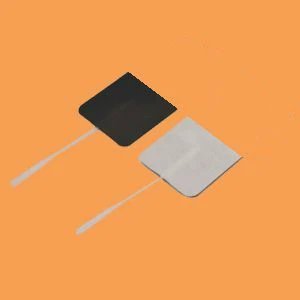

Design and Manufacturing
Manufacturers must design and manufacture square physiotherapy electrodes in accordance with good manufacturing practices (GMP). This includes having a quality management system in place to ensure the consistency and quality of the products. The materials used in the electrodes must be safe and biocompatible, meaning they do not cause any adverse reactions when in contact with the skin.
During the manufacturing process, strict quality control measures should be implemented to ensure that the electrodes meet the specified performance standards. This may involve testing the electrical conductivity, adhesion, and durability of the electrodes.
Labeling and Packaging
The labeling and packaging of square physiotherapy electrodes must provide clear and accurate information about the product. This includes the product name, model number, intended use, instructions for use, warnings, and precautions. The labeling should also include information about the manufacturer, such as their name, address, and contact details.
In addition, the packaging should be designed to protect the electrodes from damage during transportation and storage. It should also be easy to open and use, while still maintaining the integrity of the product.
Our Commitment as a Supplier
As a supplier of Square Physiotherapy Electrodes, we are committed to ensuring that our products meet the highest standards of quality and safety. We work closely with our manufacturing partners to ensure that they comply with all the relevant regulations and requirements.
We source our electrodes from manufacturers who have a proven track record of producing high-quality medical devices. Our products are tested and certified to meet the standards set by the regulatory bodies, such as the FDA, CE, and TGA. This gives our customers peace of mind knowing that they are using safe and effective products.
In addition, we provide comprehensive customer support to help our customers choose the right electrodes for their needs. Our team of experts can answer any questions you may have about the products, including their features, benefits, and usage instructions.
Conclusion
In conclusion, square physiotherapy electrodes are indeed regulated by various authorities around the world. These regulations are in place to ensure the safety and effectiveness of the products, protecting the health and well-being of patients. As a supplier, we understand the importance of compliance and are committed to providing our customers with high-quality, regulated products.
If you are interested in purchasing square physiotherapy electrodes, such as TENS Electrode Pad, TENS Electrode Electrode Pad, or TENS Unit Pads Electrodes, please feel free to contact us for more information. We would be happy to discuss your specific requirements and help you find the right solution for your needs.
References
- U.S. Food and Drug Administration. (n.d.). Medical Devices. Retrieved from https://www.fda.gov/medical-devices
- European Commission. (n.d.). CE Marking for Medical Devices. Retrieved from https://ec.europa.eu/growth/sectors/medical-devices/ce-marking
- Therapeutic Goods Administration. (n.d.). Medical Devices. Retrieved from https://www.tga.gov.au/medical-devices